
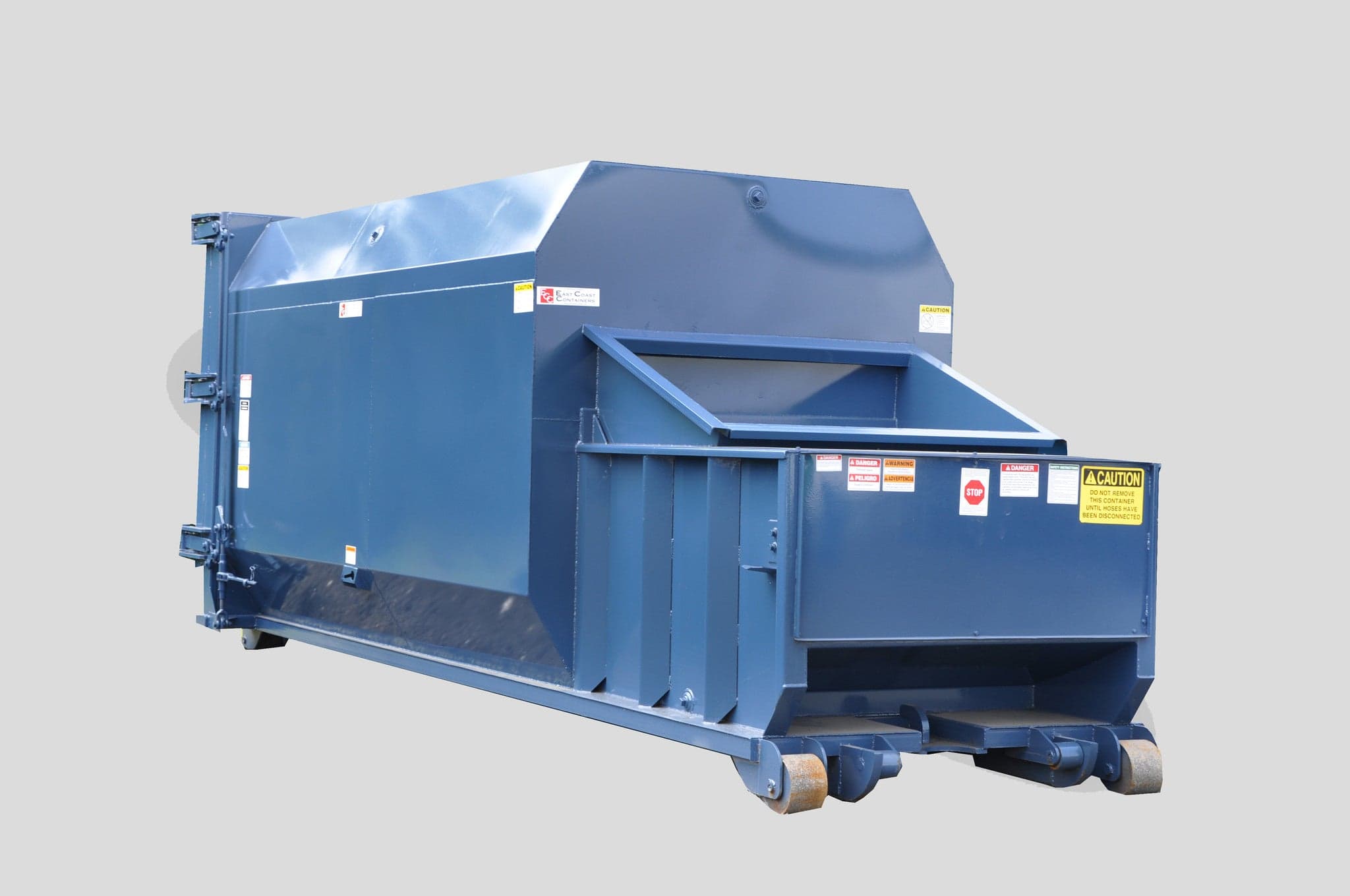
Self-Contained Compactor
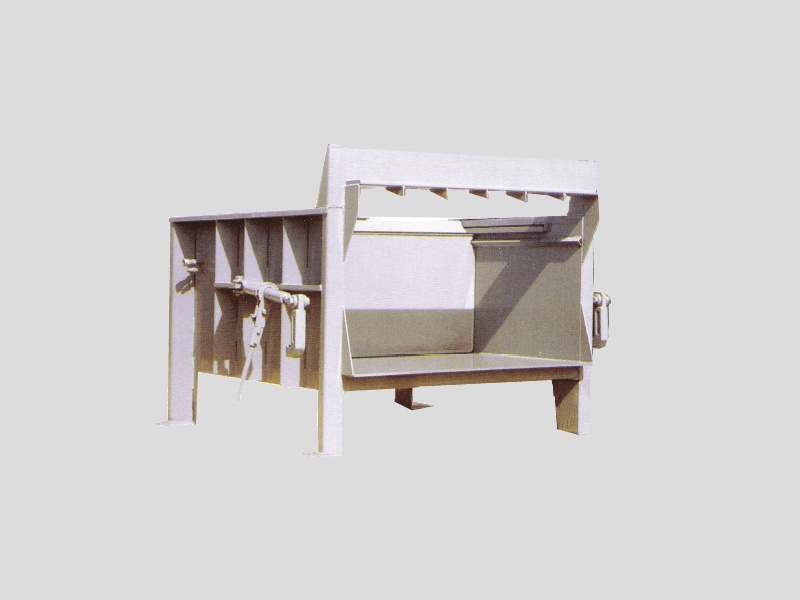
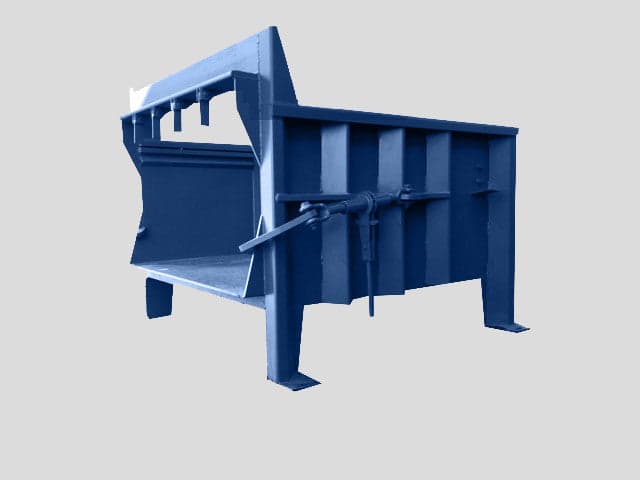
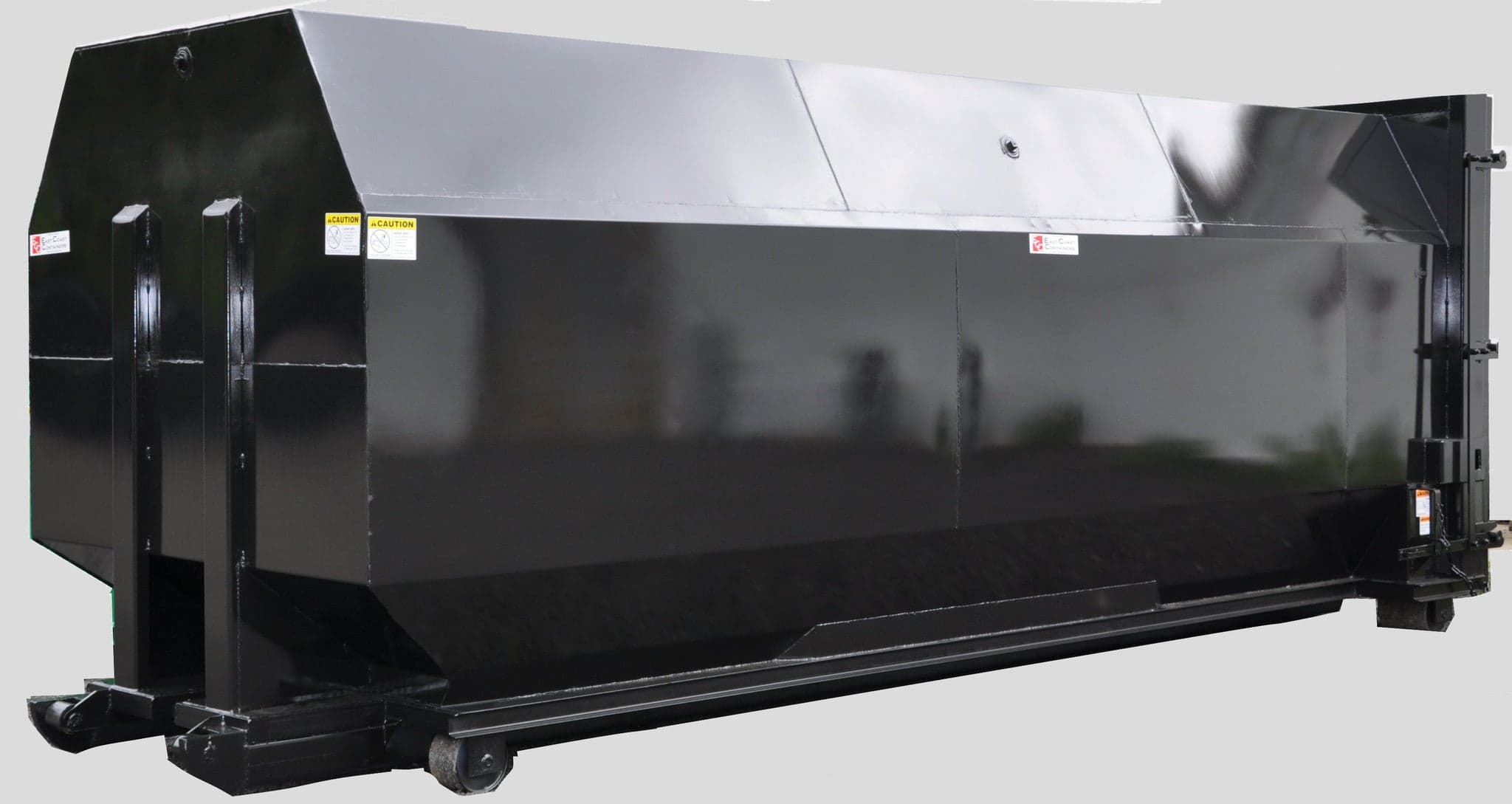
A self-contained compactor is the right choice when your operation generates wet waste that cannot go in an open dumpster -- think grocery stores, restaurants, hospitals, food processors, and stadiums. The compactor ram and the container are built as one sealed, liquid-tight unit. Liquids stay contained, odors stay controlled between pickups, and collection trucks do not get contaminated during haul. Available in capacities from 2 to 6 cubic yards with a 2-yard charge box, in top-feed, side-feed, and hopper-fed loading configurations. Hydraulic tipper option on all models for automated cart dumping using 2-yard carts or standard 64/96-gallon bins. NYC model: 96-inch height, approximately 10,000 lbs. 1-year standard warranty, 2-year power unit components.
Key Features
- Integrated compactor ram and container in one sealed, leak-proof unit
- Tipper option on ALL models: 2-yard cart tipper or 64/96-gallon bins
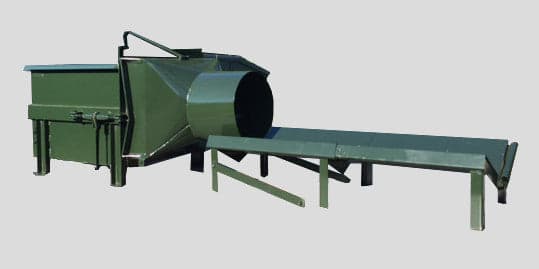
- Top-feed, side-feed, and hopper-fed loading configurations
- Liquid-tight sealed floor pan with full-perimeter drip edges
- Hydraulic ram compaction with adjustable cycle pressure
- NYC model: 96" height, approximately 10,000 lbs
- ANSI Z245.2 compliant
- 1-year standard warranty, 2-year power unit components
- Extended warranty and maintenance programs available
- Best for wet waste: grocery, restaurants, hospitals, food processing, stadiums
Available Sizes
Specifications
A self-contained compactor combines the hydraulic ram and the sealed collection container into one unit. That sealed construction is the entire value proposition: wet waste, food scraps, and liquids stay inside the unit between pickups instead of leaking into surrounding areas, contaminating truck bodies, or creating odor problems on loading docks and in back-of-house areas.
What Is a Self-Contained Compactor?
A self-contained compactor (also called a self-contained trash compactor or self-contained commercial compactor) is a waste compaction system where the hydraulic ram mechanism and the waste collection container are built together as a single sealed unit. This is the key difference from a stationary compactor, where the ram is bolted to a building or a dock plate and the container is a separate detachable box. In a self-contained unit, when the container is full, the entire compactor -- ram, motor, and container together -- is hauled off by a roll-off truck, emptied, and returned. The sealed design means liquids and wet waste cannot escape the unit between pickups.
Who Uses Self-Contained Compactors?
Grocery stores and supermarkets are the most common application. Food waste, produce scraps, and meat trimmings are wet, heavy, and smell. An open dumpster or a standard stationary compactor with a detachable container leaks liquid onto the loading dock and into collection trucks. A self-contained unit eliminates that problem because the liquid stays sealed inside the unit until it reaches the disposal facility. The same logic applies to restaurants, food processing plants, hospital dietary departments, stadiums and arenas, hotel kitchens, and any commercial kitchen operation generating more than a few yards of wet organic waste per week.
Self-Contained vs. Stationary Compactor: Which Do You Need?
Self-contained: wet waste (food scraps, liquids, organics). The sealed unit is mandatory when liquids are involved. The entire unit hauls off when full. Stationary: dry waste (cardboard, paper, plastic film, packaging). The ram stays fixed to the building, only the container hauls off. Stationary units are lower cost per cycle for high-volume dry-waste operations. A grocery store with a bakery, deli, and produce section needs a self-contained unit. The same store's cardboard baler feeds a stationary compactor. Most large commercial properties use both types.
Tipper Option: Automated Cart Dumping
The hydraulic tipper attachment is available on every Cooper Tank self-contained model. The tipper automatically dumps 2-yard carts or standard 64 and 96-gallon bins into the compactor charge box without manual lifting. For high-volume food-service operations running cart-based waste programs, the tipper reduces labor cost per cycle and eliminates the injury risk from manual dumping of heavy wet-waste carts. The tipper is not a separate machine -- it mounts to the compactor unit and runs off the same hydraulic power pack.
Frequently Asked Questions
What is a self-contained compactor?
A self-contained compactor is a waste compaction system where the hydraulic ram and the sealed collection container are built as one unit. The sealed construction contains wet waste and liquids between pickups. The entire unit hauls off when full, unlike a stationary compactor where only the container detaches.
What is a self-contained compactor used for?
Self-contained compactors are used for wet waste: food scraps, produce, meat trimmings, liquids, and other materials that would leak out of a standard open dumpster or stationary compactor. Common applications include grocery stores, restaurants, hospitals, food processors, stadiums, and hotel kitchens.
What is the difference between a self-contained and stationary compactor?
In a self-contained compactor, the ram and container are one sealed unit that hauls off together. In a stationary compactor, the ram is fixed to a building or dock plate and only the container detaches. Self-contained units are required for wet waste. Stationary units are better for high-volume dry waste like cardboard.
How does a self-contained compactor work?
Waste is loaded into the charge box through a hopper, side door, or top opening. The hydraulic ram cycles and compresses the waste into the sealed container. When full, a roll-off truck hauls the entire unit -- ram, motor, and container -- to an approved disposal facility, empties it, and returns it.
What size self-contained compactor do I need?
Cooper Tank self-contained compactors are available in capacities from 2 to 6 cubic yards with a 2-yard charge box. The right size depends on your daily waste volume and pickup frequency. Contact our team with your operation type and daily waste estimate and we will spec the right unit.
Available Throughout the Northeast
Cooper Tank delivers the Self-Contained Compactor throughout New York City, Long Island, New Jersey, and Connecticut. Contact us for delivery timelines and regional pricing.
View all service areas