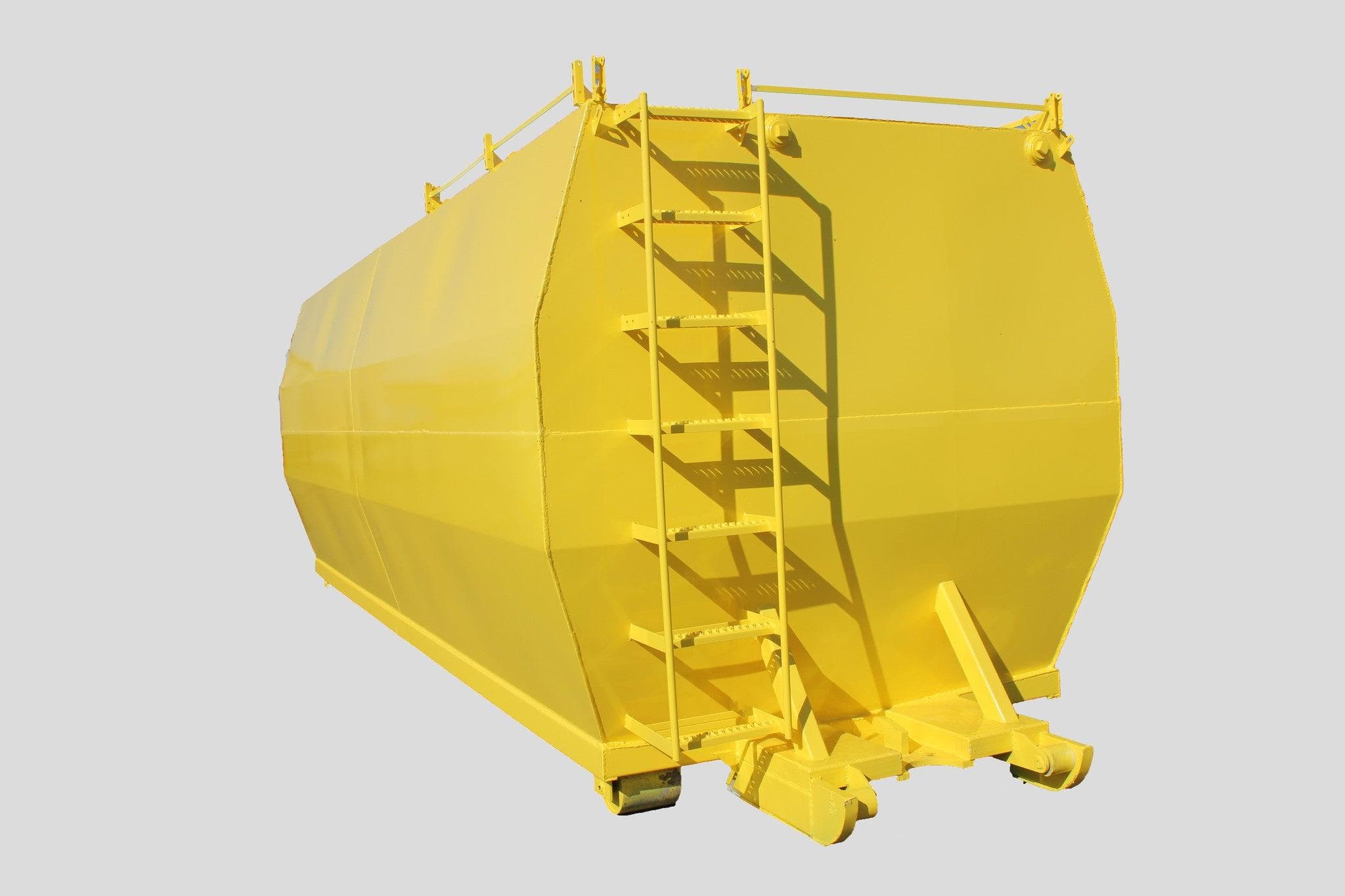
Frac Tank
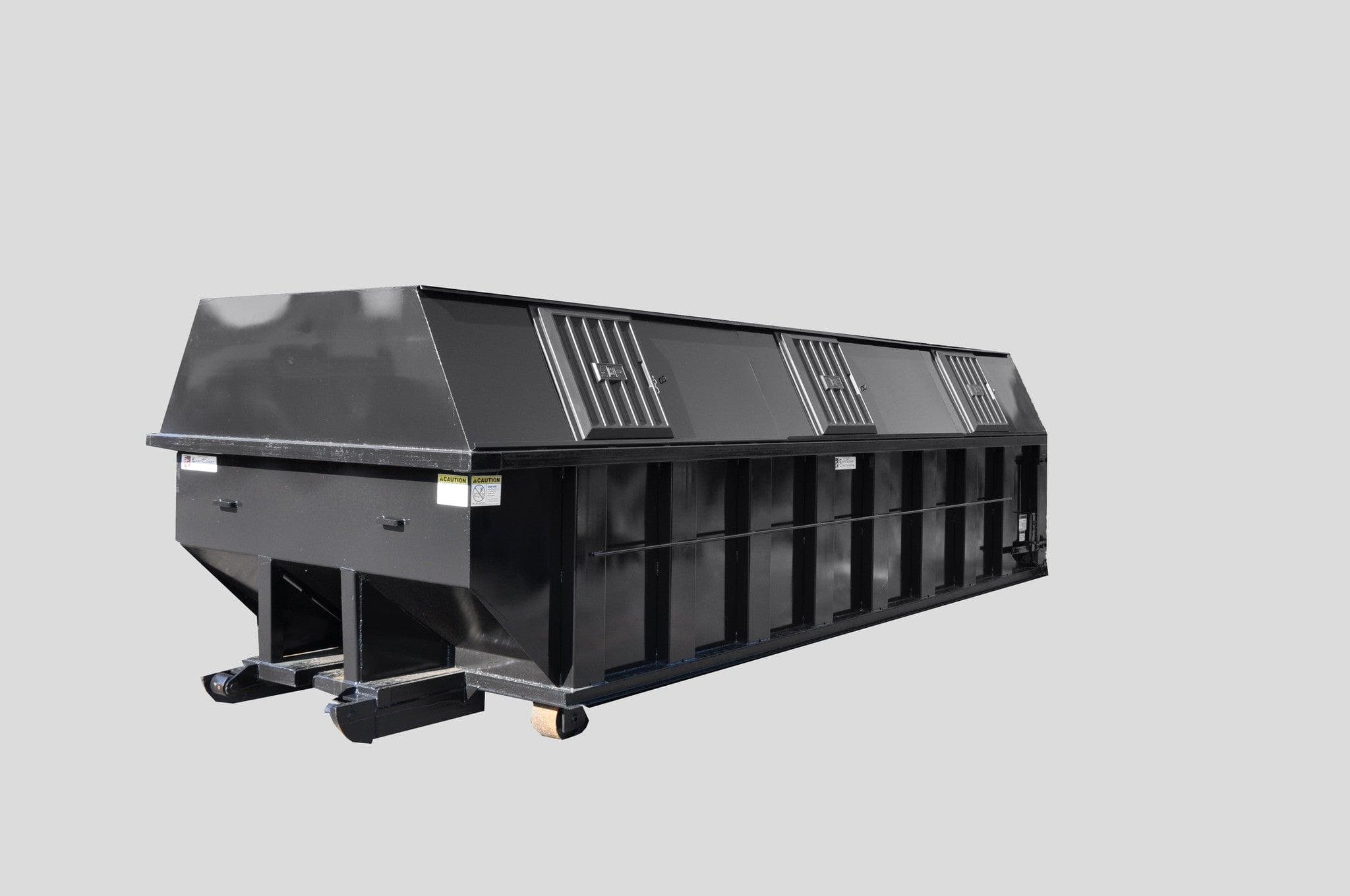
Frac tanks in stock at Cooper Tank's Brooklyn yard. A frac tank holds 200 to 500 barrels of liquid, about 8,400 to 21,000 gallons (one oilfield barrel is 42 US gallons). The most common size, the 500-barrel tank, holds about 21,000 gallons of water. These are steel vessels for holding and moving large volumes of liquid on industrial sites: produced water, drilling mud, construction dewatering, and industrial liquid staging. Each tank is 3/16-inch formed steel, continuously welded and pressure-tested, with a chemical-resistant epoxy interior lining, camlock inlet and outlet ports, a graduated sight gauge, and a DOT inspection certificate. Call (718) 497-4431 to confirm current inventory and pricing.
Key Features
- 3/16-inch formed steel plate, continuously welded and pressure-tested
- Chemical-resistant epoxy interior lining for produced water, brine, and drilling mud
- Multiple inlet and outlet ports with camlock quick-connect fittings (standard)
- Graduated sight gauge for real-time volume monitoring without climbing the tank
- DOT-inspected and certified for over-the-road transport
- Stackable for wellpad and jobsite staging
- Industrial enamel exterior finish, safety colors available
- Available 200, 300, and 500 barrel (8,400 / 12,600 / 21,000 gallon)
- In stock at our Brooklyn yard
Available Sizes
Specifications
Cooper Tank has frac tanks in stock at our Brooklyn yard. Each tank is built for oilfield service: 3/16-inch formed steel, continuous weld, chemical-resistant epoxy lining, DOT certified. Call (718) 497-4431 to confirm current inventory and pricing on 200, 300, and 500 barrel sizes.
What Is a Frac Tank?
A frac tank (also called a fracking tank or frac storage tank) is a closed-top mobile steel vessel used to store and transport large volumes of liquid on industrial job sites. The name comes from hydraulic fracturing: frac tanks were originally designed to hold the fresh water and chemical fluids staged at wellpads during fracking operations. Today they are used across construction, environmental remediation, municipal infrastructure projects, and any industrial application where a contractor needs to contain thousands of gallons of liquid without permanent infrastructure. One oilfield barrel equals 42 US gallons. A 500-barrel frac tank holds approximately 21,000 gallons.
Frac Tank Sizes
Frac tanks are measured in barrels (BBL). One oilfield barrel equals 42 US gallons. Cooper Tank stocks three standard sizes: 200 BBL: approximately 8,400 gallons. Common for smaller jobsite holds, water transfer operations, and secondary containment applications. 300 BBL: approximately 12,600 gallons. Standard for mid-scale frack support, flowback containment, and produced water staging. 500 BBL: approximately 21,000 gallons. The most common size on full frac spreads and large construction dewatering projects. Call (718) 497-4431 for exact dimensions on tanks currently in stock and to lock in pricing.
Frac Tank Applications
Hydraulic fracturing: fresh water and brine storage for frack fluid staging. Produced water: containment of high-salinity flowback water from oil and gas wells. Drilling mud: water-based and synthetic-based mud storage and transport. Construction dewatering: temporary liquid holds during foundation, tunnel, and pipeline work. Industrial water transfer: pipeline pressure testing, infrastructure construction, temporary firewater supply. Spill response: emergency containment capacity at refineries, chemical plants, and marine terminals. Environmental remediation: liquid waste staging ahead of treatment. If the job requires holding or moving more than 5,000 gallons of liquid in a mobile vessel, a frac tank is the standard answer.
Frac Tank Construction and Features
Every Cooper Tank frac tank is built the same way: 3/16-inch formed steel plate on the full body with no bolted seams in the wet zone. Continuous welded construction is pressure-tested before delivery. The chemical-resistant epoxy interior lining resists corrosion from salt water, brine, and mild acids. Multiple inlet and outlet ports come with camlock quick-connect fittings as standard. A graduated sight gauge allows real-time volume monitoring without climbing the tank. Every tank ships with DOT inspection and certification for over-the-road transport. The stackable design allows efficient field staging in tight wellpad and jobsite layouts. Industrial enamel exterior finish in safety colors is standard.
Frac Tank vs. Baker Tank
They are the same kind of tank. "Baker tank" comes from BakerCorp, a rental company whose steel liquid storage tanks became so common on job sites that the name stuck, the way Dumpster became the everyday word for any trash container. Contractors, environmental firms and municipal crews use frac tank, baker tank, steel storage tank and 21,000 gallon tank for the same closed-top steel vessel. If your spec, bid or rental history says baker tank, the 200, 300 and 500 barrel tanks on this page are what you are looking for.
Frac Tank vs. Frac Box: What Is the Difference?
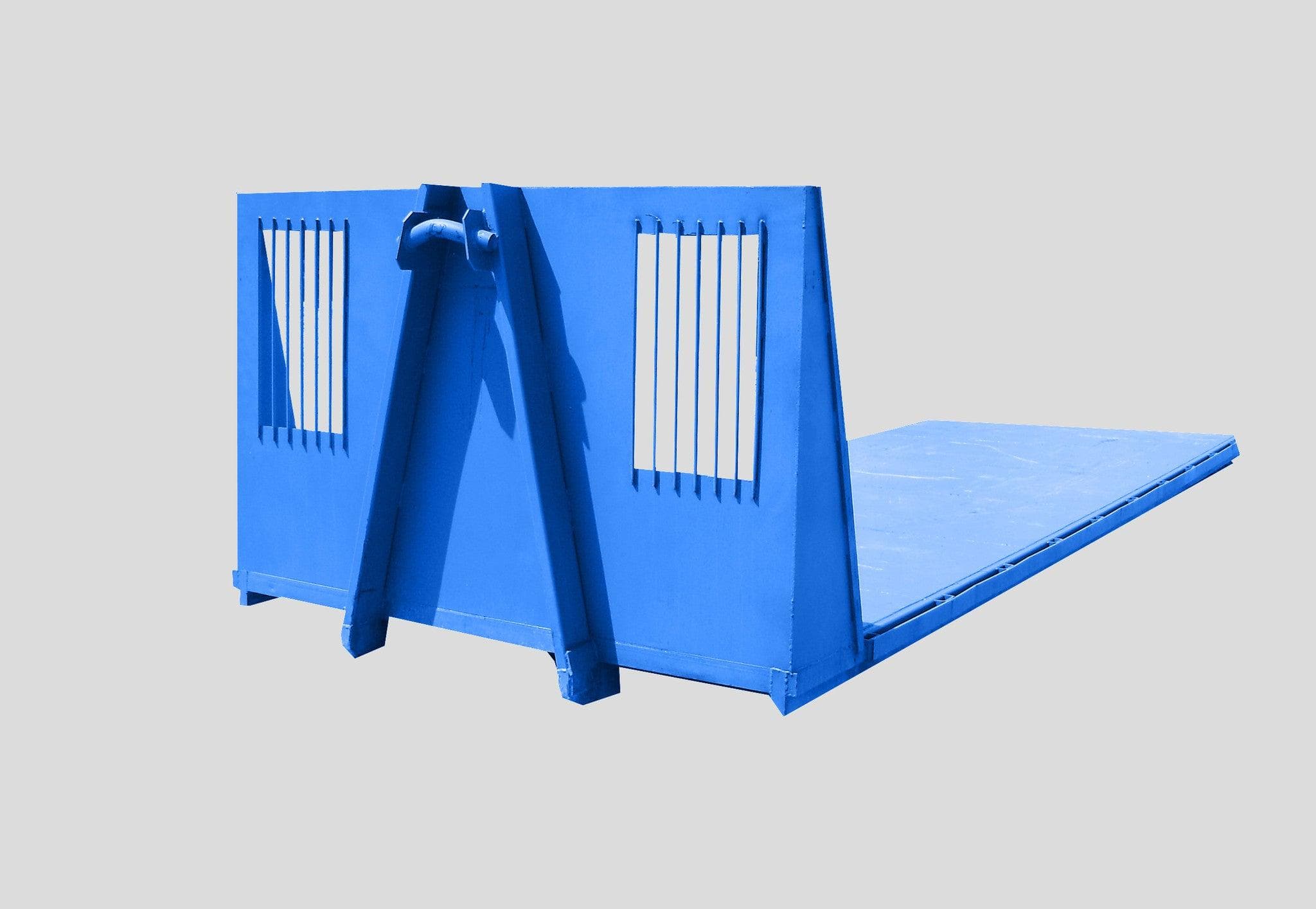
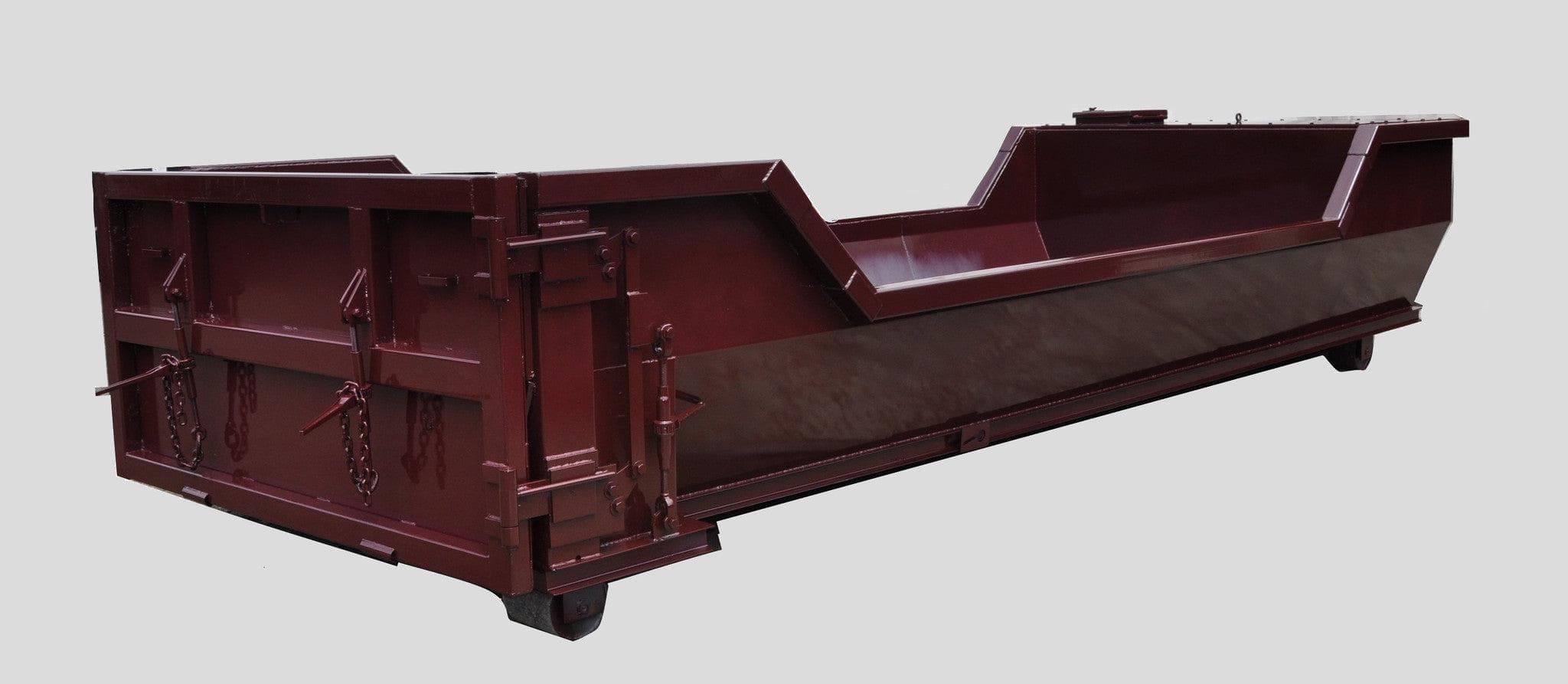
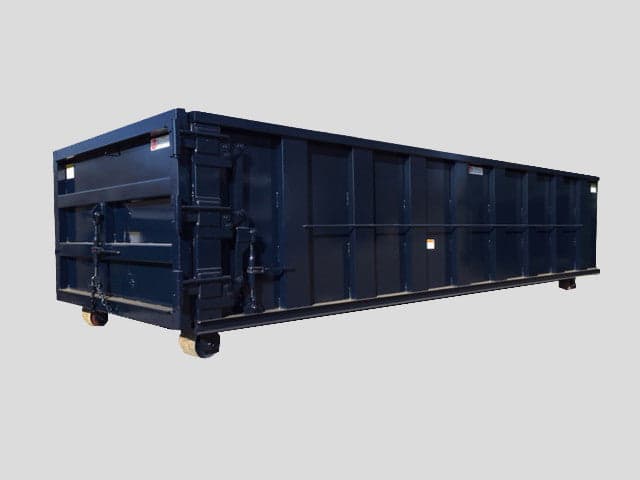
A frac tank is a closed-top mobile vessel for liquids. It is long, low, and either rolls on its own running gear or loads onto a tractor. A frac box is a smaller, open-top or covered roll-off container used for solid and semi-solid materials: drill cuttings, contaminated soil, and dewatered sludge. Frac boxes run 20 to 30 cubic yards and haul on a standard roll-off truck. If you need to hold liquid in volume, you want a frac tank.
In Stock and Available
Cooper Tank has frac tanks in inventory at our Brooklyn yard, ready to ship. Call our team at (718) 497-4431 to confirm available sizes and pricing, or submit a quote request with your delivery location and we will come back with current stock and a delivered price.
Frequently Asked Questions
How many gallons does a frac tank hold?
A frac tank holds about 8,400 to 21,000 gallons. A 200-barrel tank holds about 8,400 gallons, a 300-barrel tank about 12,600 gallons, and a 500-barrel tank about 21,000 gallons.
How many barrels does a frac tank hold?
Frac tanks come in 200, 300 and 500 barrel sizes. The 500-barrel tank is the most common, and one oilfield barrel is 42 US gallons.
How many gallons is a 500-barrel frac tank?
A 500-barrel frac tank holds approximately 21,000 US gallons (500 barrels x 42 gallons per oilfield barrel).
What frac tank sizes does Cooper Tank stock?
Cooper Tank stocks 200 BBL (approximately 8,400 gallons), 300 BBL (approximately 12,600 gallons), and 500 BBL (approximately 21,000 gallons). Call (718) 497-4431 to confirm current inventory.
Are frac tanks DOT-certified?
Yes. Every Cooper Tank frac tank ships with current DOT inspection and certification for over-the-road transport.
What is a frac tank used for?
Frac tanks are used for hydraulic fracturing fluid storage, produced water containment, drilling mud storage, construction dewatering, industrial water transfer, spill response, and liquid waste staging. Any application requiring thousands of gallons of mobile liquid containment.
Can frac tanks store produced water and other corrosive fluids?
Yes. The chemical-resistant epoxy interior lining is rated for high-salinity produced water, drilling mud, and mild acids. For aggressive chemical service (strong acids, solvents, hydrocarbons above standard refined fuel), specify the exact fluid in your quote request and we will match the right interior lining.
How do I buy a frac tank from Cooper Tank?
Call our Brooklyn yard at (718) 497-4431 or submit a quote request with your delivery location. We will confirm current inventory, dimensions, and a delivered price.
Is a frac tank the same as a baker tank?
Yes. Baker tank is a common name for a steel frac tank, taken from BakerCorp, a tank rental company. A 500-barrel baker tank and a 500-barrel frac tank are the same 21,000 gallon closed-top steel vessel. Call (718) 497-4431 with the size you need.
What is the difference between a frac tank and a water tank?
Frac tanks are built to oilfield specifications: 3/16-inch steel, pressure-tested welds, chemical-resistant epoxy lining, DOT certification, and camlock port fittings for quick field connections. A generic water tank may lack the lining, certification, or port configuration required for industrial and oilfield use. Frac tanks are designed for produced water and process chemicals, not just fresh water.
Do you offer new, used, and refurbished frac tanks for sale?
Cooper Tank sells new frac tanks fabricated at our Brooklyn shop, and the tanks in our yard are available now. For used frac tanks or refurbishment work (cleaning, recoating with a new epoxy lined interior, patch and reweld, DOT recertification, port rebuild), call (718) 497-4431 with the tank size and condition and we will tell you what we can do. We quote 21,000 gallon (500 BBL) frac tanks, 300 BBL trailer mounted frac tanks, and smaller skid frac tanks for stationary containment, with delivery.
Trailer mounted frac tank vs skid frac tank: which do I need?
A trailer mounted frac tank sits on integrated running gear and can be repositioned by any Class 8 tractor. It is the standard for jobs where the tank moves between locations: flowback, dewatering circuits, and short-term staging. A skid frac tank is set once and stays. Skid units are the preferred format for long-term stationary containment, permitted storage yards, and secondary containment. Both formats ship with the same 3/16-inch steel body and epoxy lined interior.
Delivered Across the Northeast
Cooper Tank delivers the Frac Tank throughout New York City, Long Island, New Jersey, and Connecticut. Call for lead time and a delivered price.
View all service areas